Context
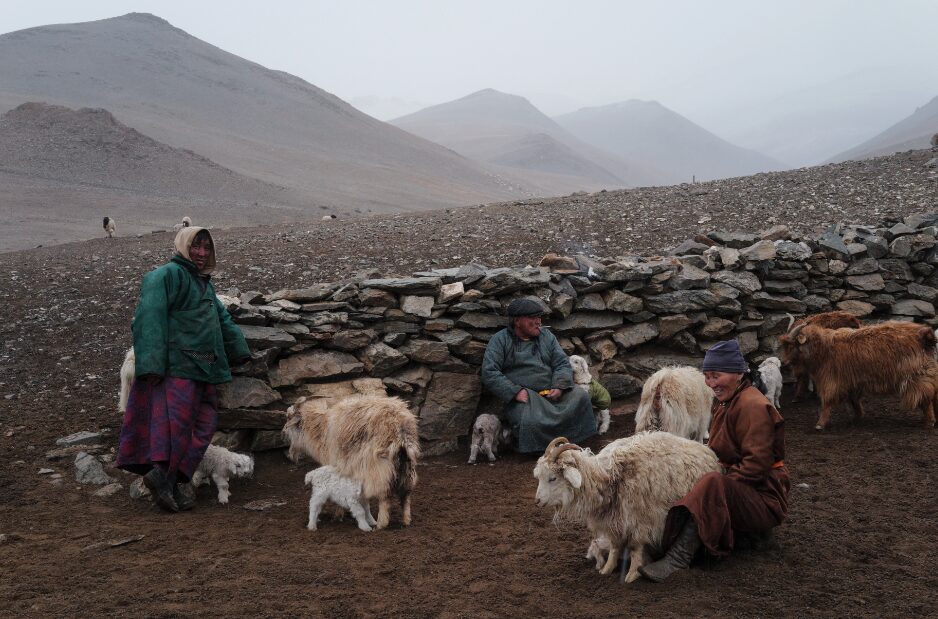
The action is continuation of the Sustainable Cashmere Integrated Production System (SC-IPS) project implemented from 2020 to 2024. Despite its undeniable successes, it was identified that the cooperatives and their national network (EBCN) required a prolongated support to become fully autonomous in their partnership:
- Capacity to diversify client’s portfolio to unite all members-herders around the capacity to sell 100% of their production
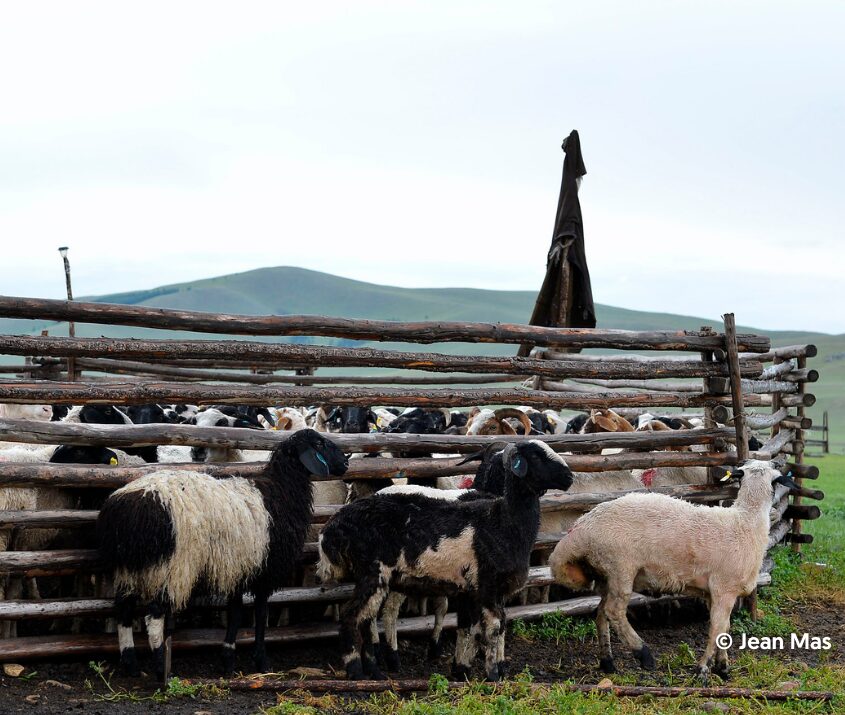
- Capacity to maintain raw material quality through a controlled genetic program ensuring the preservation of Zalaajinst goat breed
- Strengthening capacities to ensure monitoring of quality criteria along first transformation steps at industry level
- Support their members in adopting grazing management methods that help to slow the gradual destruction of the ecosystem
- Strenghtening the effectiveness and recognition of the Sustainable Cashmere label on the international stage
Partners
Eeltei Baylag Cooperative Network (EBCN), Primary cooperatives of Bayantsagaan, Shinejinst and Bayan-Undur soums of Bayankhongor Province, Green-Gold Mongolian Rangeland Research Center (GG-MRRC), a member of MNFPUG Network, National Association of Mongolin Agricultural Cooperatives (NAMAC), Nomadic Legacy of the Steppes (NLS), label hosting organization
Methodology
AVSF will provide technical support to EBCN and 3 targeted cooperatives, notably through its human resources in Bayankhongor and Ulaanbaatar. To empower EBCN and the cooperatives, AVSF will make a gradual financial and in-kind contribution to the activities implemented to meet the requirements of their client. Among all activities, we can highlight:
- Trainings and support in animal health, reproductive management and genetics, and technical and economic management of livestock farms
- Advisory support for governance bodies
- Communication and marketing activities
- Support for diversification sectors
- International expertise mission to refine and finalize the sustainable certification model
Objectives
Overall objective: Help fight pasture degradation and strenghten the resilience of economic, social and environmental systems in rural Mongolia
Specific objective: To ensure the complete autonomy of the sustainable cashmere industry co-led by the Eeltei Baylag Cooperative Network and the Nomadic Legacy of the Steppes organization, in order to ensure the sustainable production and supply of quality cashmere respecting the specifications of an internationally recognized certification and adapted to the Mongolian nomadic breeding system.
Expected results
1. The “sustainable cashmere” label is recognized on the international market and certified by an independent external certification body.
- NLS receives Mongolian government accreditation for Responsible Nomad standard and the new Responsible Nomad Sustainable Cashmere International label
- Bayankhongor’s 3 cooperatives are trained in the new certification model and able to meet its requirements
2. EBCN is able to market certified cashmere fibers from its members on its own.
- EBCN sales increase by at least 15% a year
- Increase of the number of herders who have applied new agroecological practices on their farms, and number of concerned areas/animals
3. A new, innovative integrated strategy is being defined and tested at cooperative level to enable farmers to really preserve pastures collectively.
- A breeding unit is created and enables appropriate services to be offered to herders (monitoring of breeding models)
- The system for distributing margins within the industry has been overhauled, ensuring better remuneration for herders
4. Cashmere fibers from the reinforced chain are of superior, consistent quality, in line with the expectations of international customers.
- The intrinsic quality of the cashmere harvested from the cooperators is consistent from year to year and complies with the customer’s quality specifications (fineness, length, yields)
- Compliance with new animal welfare certification criteria in 3 cooperatives at both herder and cooperative levels