Context
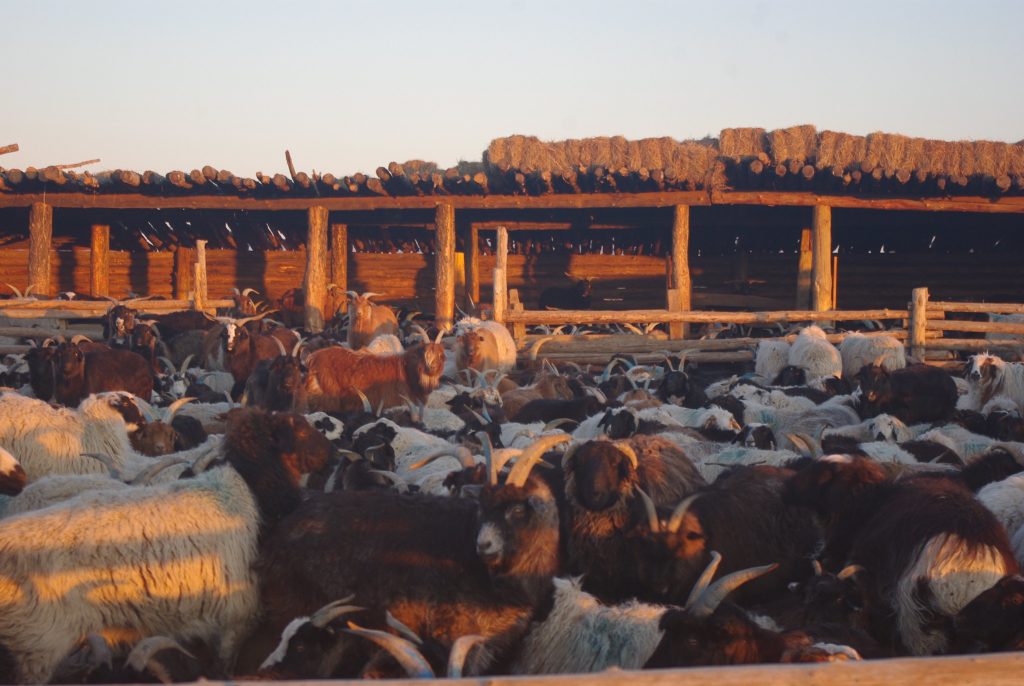
The biggest difficulty for nomadic herders in Arkhangaï is to sell their products at a good price, or even to sell it “at all”, such as hides and offal. Support for adding value to products is paramount, with the search of more remunerative markets and autonomy vis à-vis the changers who control the market and set prices.
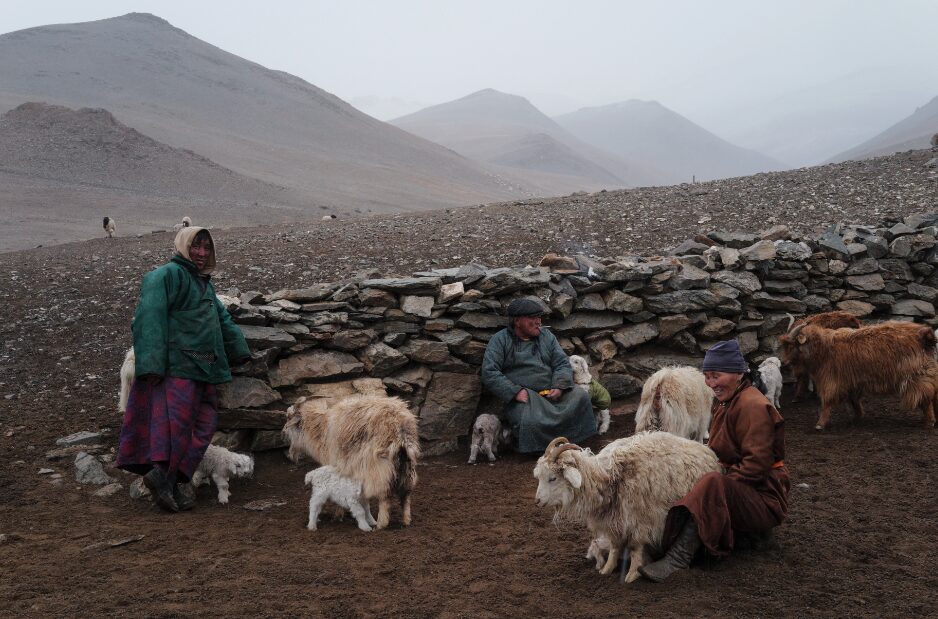
The most important products for herders are meat, milk and dairy products. Some families state that milk represents 50-80% of their family income. The project aims to create a vision of the future for nomadic herding that is attractive to new generations and preserves the quality of its pastures and resources. It aims to focus primarily on young women, as their economic role in nomadic families in Arkhangaï is important, and their milk production activity can have a lasting impact on the environment and household livelihoods ; along the thematic lines:
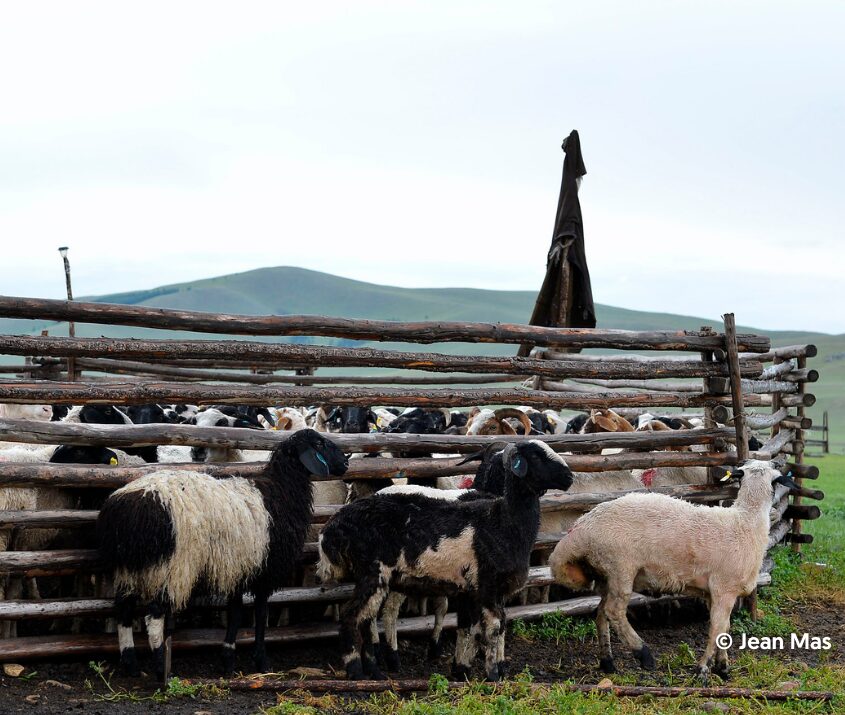
- Production, herd management and sustainability, with training courses on: breeding techniques; animal health (proper use of medication, One Health approach, sanitary safety); milking and production of quality products; technical and economic analysis of activities; natural resources management…
- Product development: marketing, packaging, market research
- Operation, governance and management of a collective (women’s groups, cooperatives, etc.)
- Complementary activities such as eco-tourism and handicrafts (wool, leather) may also be supported, depending on needs and available resources.
Partners
Methodology
In order to achieve the mentioned objectives, the project is structured around 2 components. For both components, participatory diagnoses will be carried out with both the groups of women supported and the FEA, enabling a 3-year action plan to be drawn up based on the priorities of these target groups.
The Arkhangai Federation of Herders will prioritize a strong partnership with the public veterinary service at the local level, the governorates at the aimag, soum and baghs level, and the private veterinary clinics at the soums level to best coordinate actions and ensure their sustainability.
Objectives
- 130 women herders from the Arkhangai Federation of Herders bring sustainable, high-quality dairy products to the national market, in compliance with health standards.
- Capacity building in technical and economic management of livestock and dairy processing, in animal and public health (One Health), in livestock sustainability and resource conservation
- Product development, marketing and sales
- Preliminary internal diagnosis of the organization translated into an action plan
- Strengthening the resources and skills of the salaried team to provide
technical services to their members (governance, dairy production, pasture
management) - Creation of conditions conducive to a viable business model (including
business management training and fund-raising)
👉 Read the factsheet