Background
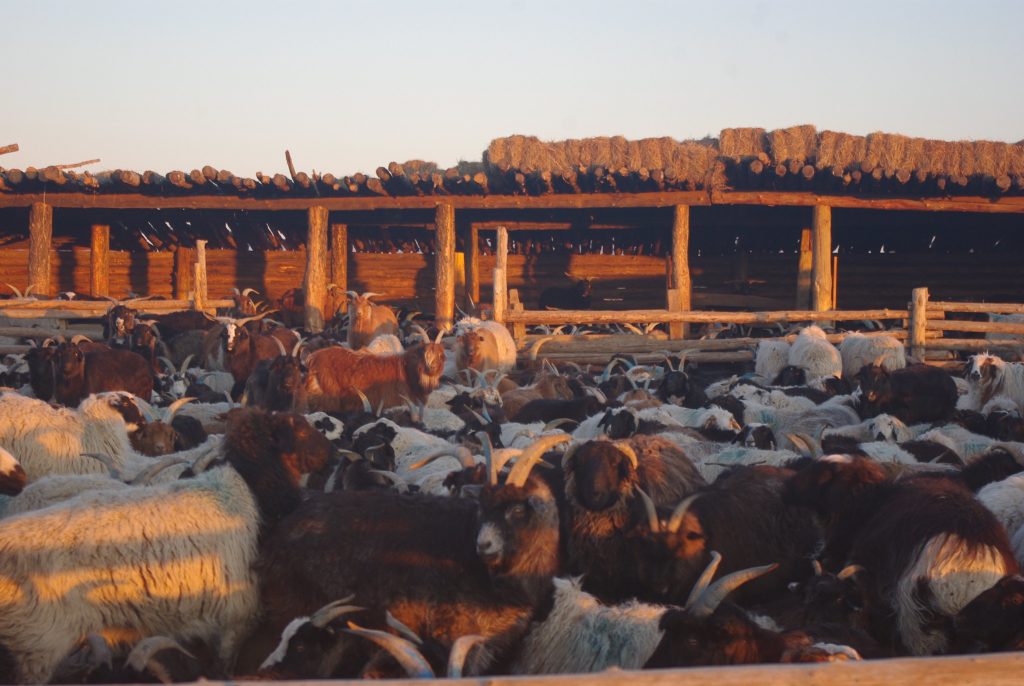
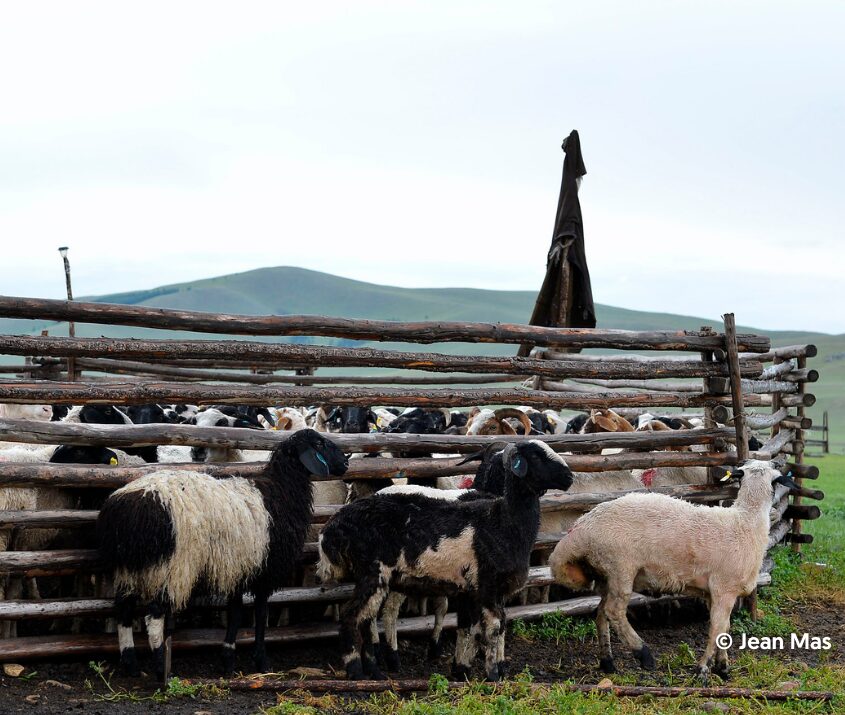
Pastoralism plays a central role in the Mongolian economy: it accounts for 83% of agricultural GDP and employs between 25% and 30% of the population. However, the traditional nomadic pastoral system is threatened by pasture degradation, exacerbated by climate change and pressure on resources.
Overgrazing, combined with insufficient technical support, is leading to deteriorating livestock health, declining livestock production, and an increased impact of extreme weather events. Furthermore, the integration of young people and generational renewal within pastoralist communities remain major challenges.
Project Objective
The Nomads For Life (N4L) project aims to strengthen pastoral livestock systems in Mongolia by improving their environmental, social, and economic sustainability. By integrating a value chain approach with a territorial, systemic, and multi-stakeholder methodology, N4L seeks to address the complex needs of the pastoral transition and improve resilience across Mongolia’s pastoral landscapes.
Objectives
N4L comprises four components:
1. Territorial assessment and consultation: Identify local challenges and engage stakeholders (public and private) to develop and implement sustainable and resilient territorial action plans.
2. Economic Transition Support: Test and implement key economic levers such as diversification, access to technical services, and sustainable certification, primarily through herders’ organizations.
3. Advocacy: Promote sustainable and resilient pastoralism at the local, national, and international levels.
4. Project coordination and management: Ensure overall project coordination, monitoring, and evaluation, documenting key lessons learned and results.
The project will focus on two target subregions:
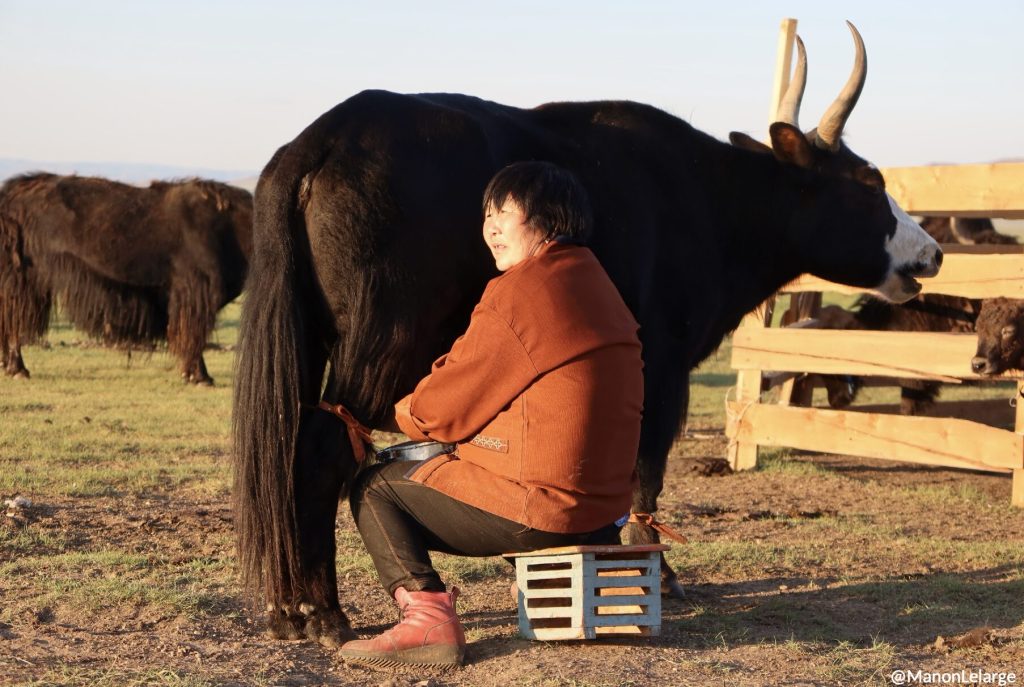
Bayantsagaan Soum, Bayankhongor Province – An arid area of the Gobi Desert, where AVSF works in the cashmere and meat sectors. Tsetserleg soum, in Arkhangai Province—a forested steppe area, where AVSF collaborates with herders as part of the “One Health” approach and the diversification of the dairy sector.
Methodology
The N4L project adopts a comprehensive, territorial, and multi-stakeholder methodology that goes beyond value chain support to incorporate ecosystem-based analysis, community-led pasture restoration, and participatory planning.
During the first year, existing pastoral techniques and technologies will be documented from an ecosystem services perspective to inform the joint development and prioritization of territorial action plans. Pasture regeneration will rely on improved mobility, collective transhumance planning, and the emergence of local facilitators—ideally herders themselves—to build trust, coordinate fallow periods, and jointly design restoration solutions.
This approach is based on CIRAD’s participatory and interactive GASL framework, which combines ecological, climatic, zootechnical, socioeconomic, and institutional assessments through participatory mapping, data collection, and shared assessments. This scientific effort aims to ensure long-term field research and the involvement of national NGOs, while AVSF and CIRAD jointly coordinate analysis, community engagement, and continuous learning to guide a coherent and resilient pastoral transition in the face of climate change.
Expected Results
Result 1
A multi-stakeholder territorial approach facilitates collaboration between public and private actors to improve pasture sustainability and the resilience of livestock farmers.
Result 2
National livestock farmer networks (e.g., NAMAC, EBCN, cooperatives) strengthen their capacity to promote economic transition by implementing projects focused on sustainable practices, market diversification, and the creation of sustainable product labels.
Result 3
Knowledge and results from pilot projects are shared and used to shape management practices, policies, and regulatory frameworks at the local, national, and international levels.
👉 Read the factsheet