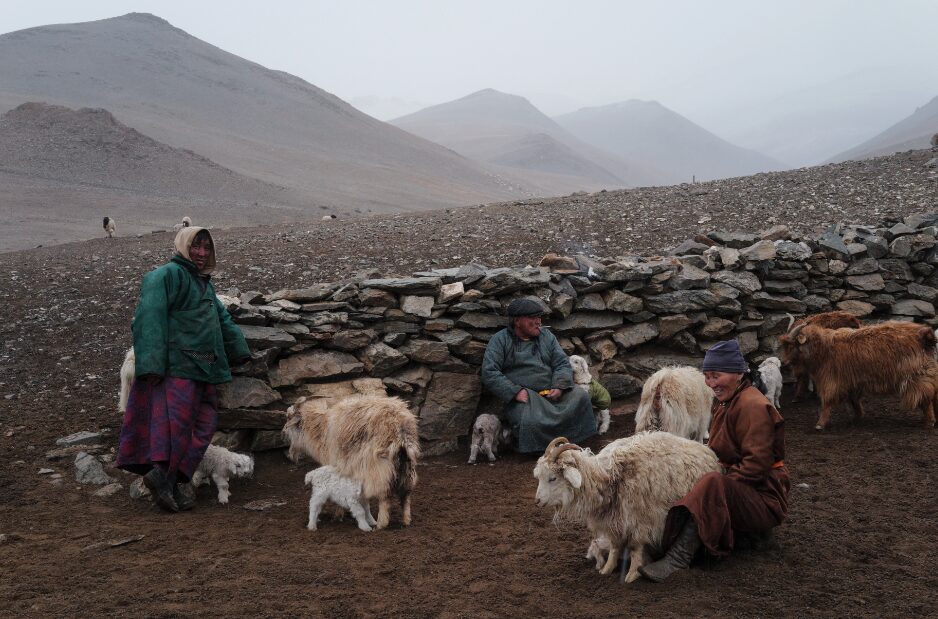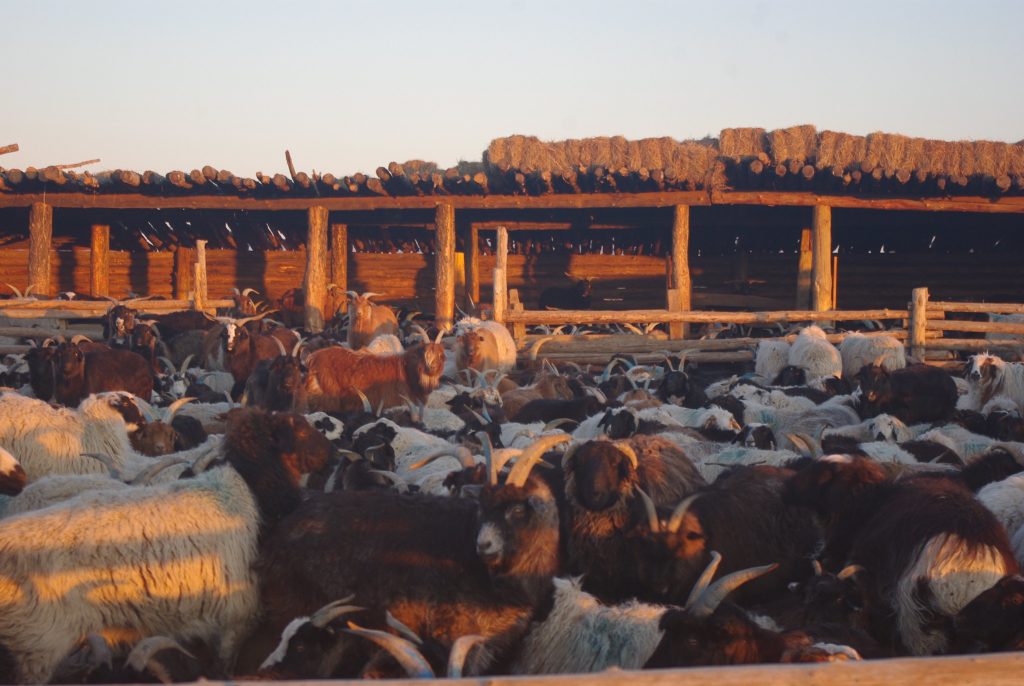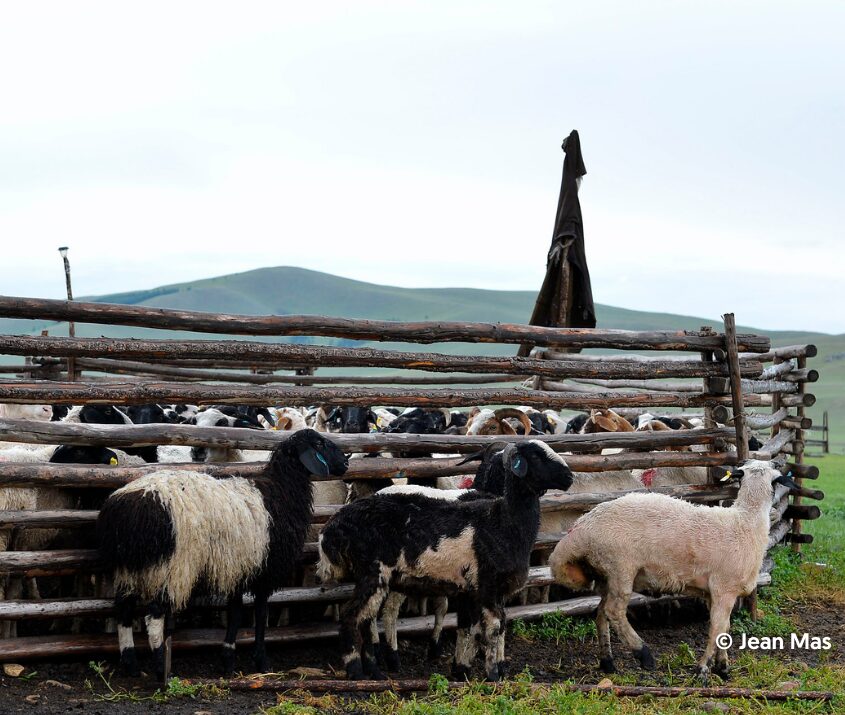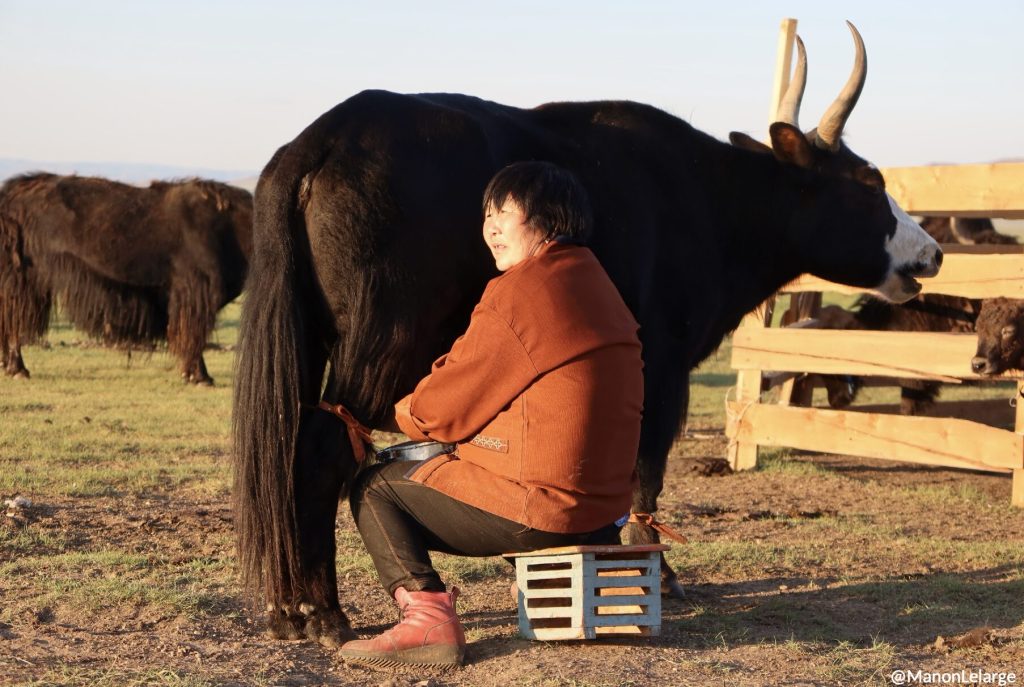
AVSF has been working with nomadic herders in Mongolia since 2004. Today, the national team, based in Ulaanbaatar, and the aimags of Bayankhongor, Arkhangai and Uvurkhangai, consists of 15 staff members who support pastoralist communities, their organizations, and local institutions in building livestock systems that are more resilient to climate change.
Nomadic Pastoral Systems Facing Climate Change
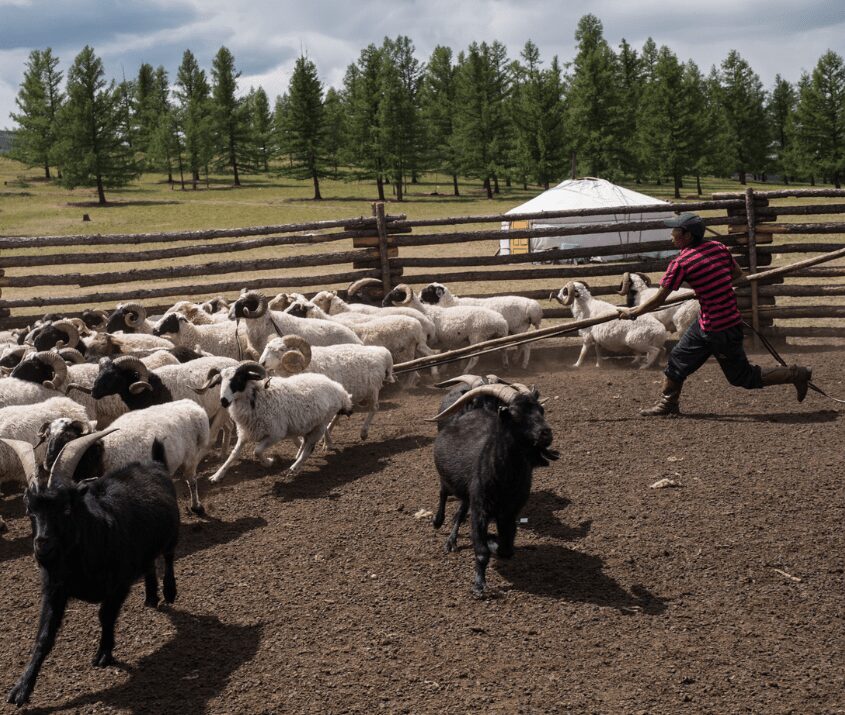
A land of steppes and deserts, Mongolia is one of the last major regions of nomadic pastoralism. Livestock farming is the backbone of the rural economy and provides a livelihood for nearly one-third of the population. But this model is now under threat.
Climate change, pasture degradation, extreme weather events (dzuds and droughts), growing pressure on natural resources, and increasing livestock herds are jeopardizing the livelihoods of herding families. Compounding these environmental challenges are still-limited access to veterinary services, insufficiently profitable market opportunities for livestock products (cashmere, wool, meat, and dairy products), and a lack of recognition of the essential role that herders’ organizations play in the sustainable management of the land.
For more than twenty years, AVSF has been working with local stakeholders to strengthen the resilience of pastoral systems, improve family incomes, and preserve natural resources.
Our areas of intervention
Sustainably restoring pastures and strengthening climate resilience
AVSF supports pastoralist communities in the collective management of grazing lands, the planning of herd movements, and the restoration of degraded pastures. By bringing together herders, local authorities, researchers, and professional organizations, we develop area-based approaches to better preserve natural resources and adapt pastoralism to the effects of climate change.
Improving animal health through the “One Health” approach
Because animal health, human health, and ecosystem health are closely linked, AVSF strengthens local veterinary services, supports herders’ organizations in disease prevention -particularly of zoonotic diseases- and builds herders’ capacity in herd health management, production quality, and the responsible use of veterinary medicines.
Developing sustainable and profitable livestock production chains
AVSF supports the development of responsible production chains for cashmere, wool, meat, and dairy products. We assist cooperatives and small businesses in improving product quality, certifying sustainable livestock farming practices, ensuring traceability, facilitating local processing, and gaining access to markets that value producers’ environmental and social commitments.
Strengthening livestock farmers’ organizations
Associations and cooperatives are key players in pastoral development. AVSF supports them in their governance, management, the development of services for their members, access to financing, and their ability to advocate for herders’ interests with government authorities and economic stakeholders.
Promoting women’s empowerment and supporting young people in starting their own businesses
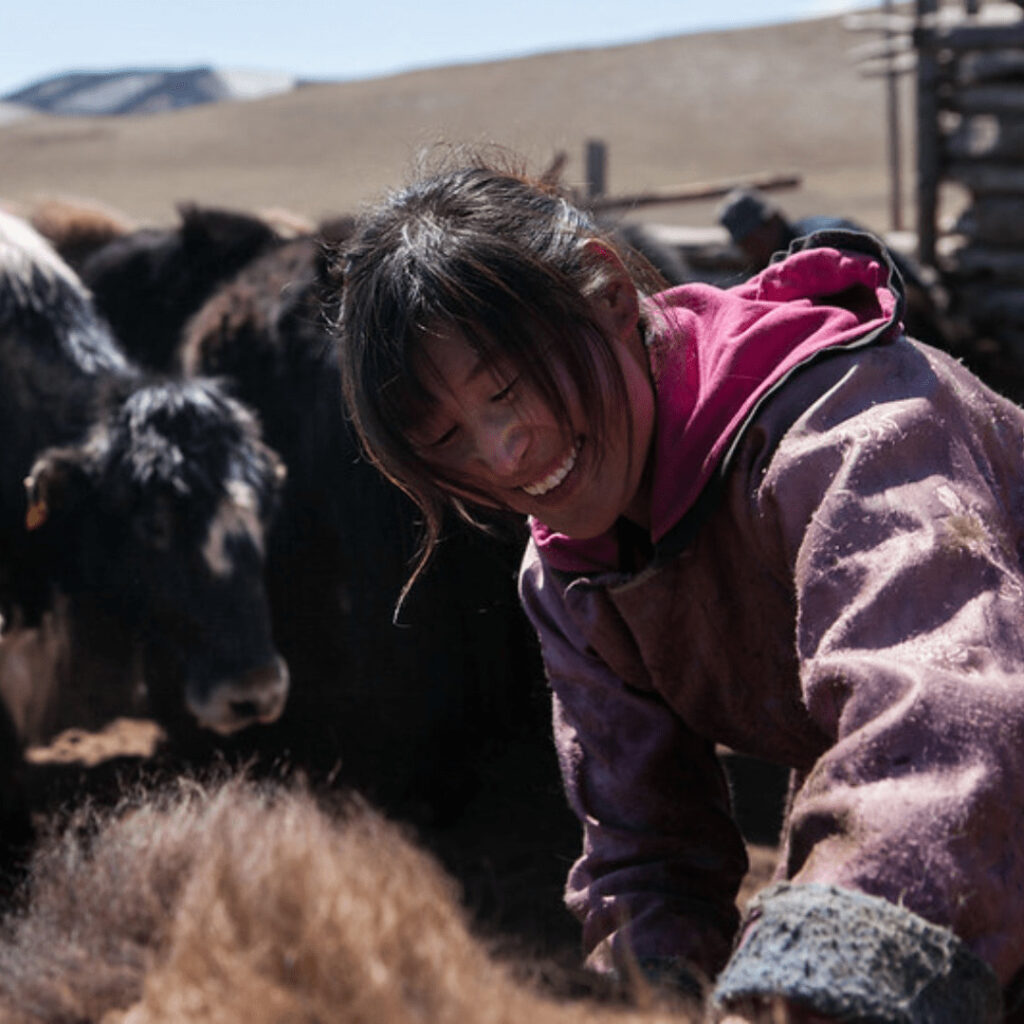
Generational renewal and gender equality are at the heart of our work. We particularly support economic initiatives led by women, especially in dairy processing, as well as entrepreneurship among young herders to make pastoralism more attractive and sustainable.